Korean Study Guide for Foreigners 2026: Free Classes, TOPIK, and Daily Conversation
When you live in Korea, you can get by to some extent without knowing Korean, but basic expressions can be of great help in hospitals, banks, real estate, workplaces, and schools. When studying Korean, rather than trying to perfectly memorize grammar from the beginning, it is better to develop your reading skills and sentences you frequently use in daily life. This article summarizes realistic ways for foreigners to study Korean.
Finish reading Hangul first
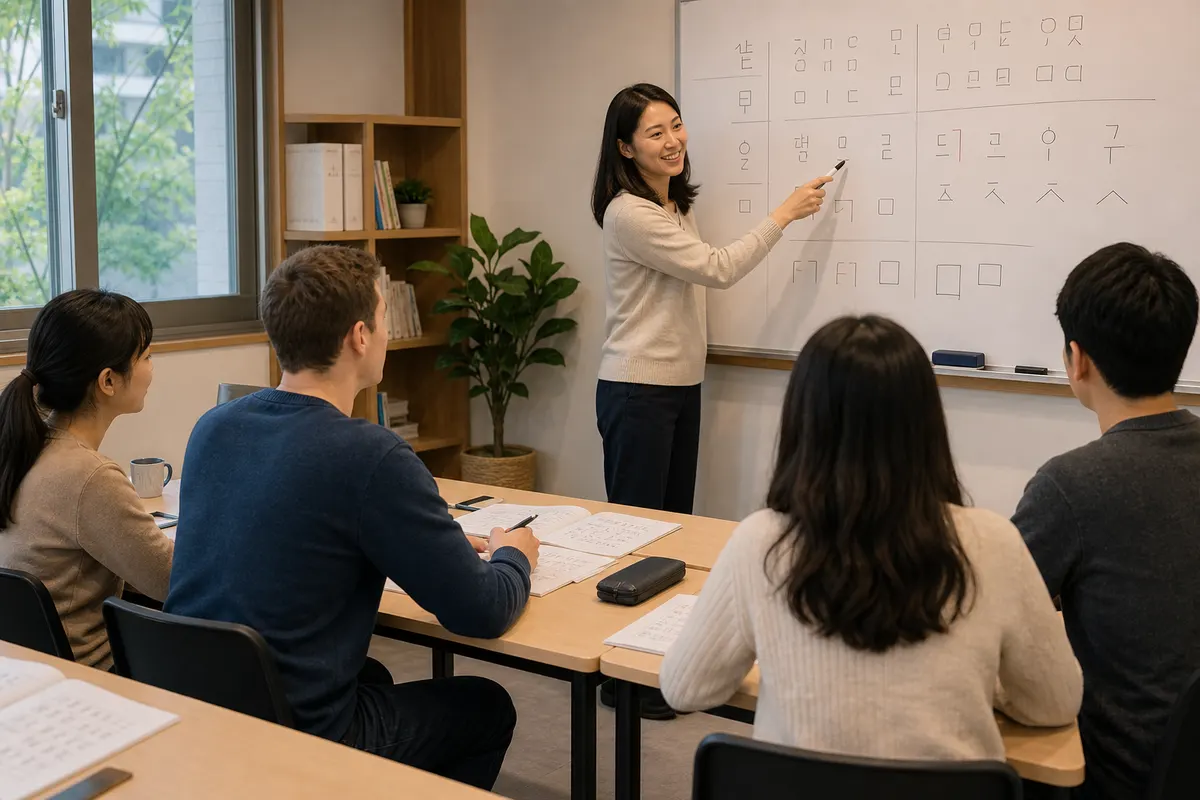
Hangul has a relatively regular structure, so concentrating for the first week or two will greatly help you read signs and menus. Maps, subways, receipts, and reservation texts become easier to understand if you can read them without knowing their full meaning. It's okay if your pronunciation isn't perfect from the beginning.
Find a free class
Multicultural Family Support Centers, Foreign Resident Support Centers, university international exchange offices, and local lifelong learning centers may offer free or low-cost Korean language classes. Conditions vary depending on region, residency status, and class level, so search with the name of your place of residence. If face-to-face classes are difficult, you can take online classes simultaneously.
Daily life conversation and TOPIK have different goals.
When it comes to daily conversation, it is important to learn sentences that can be used immediately in hospitals, restaurants, couriers, banks, and workplaces. TOPIK requires reading, listening, and writing test strategies. If you have a job, university, visa, or scholarship goal, check the TOPIK schedule and grade goal first.
Save the sentences you use every day
Useful sentences for foreigners are short expressions such as ‘Please speak slowly’, ‘I want to make a reservation’, ‘Give me a receipt’, and ‘Text me the address’. If you save it in a translation app and repeat it in real situations, it will remain in your memory for a long time. You can save frequently used words along with photos.
Speaking mistakes are a natural process
It's easy to make mistakes in Korean because of its honorifics and particles. However, a polite attitude and short sentences are enough to communicate. At first, focus on learning key words and polite endings rather than long sentences.
Pre-visit checklist
- reading korean
- Search for free classes
- save life sentences
- TOPIK Schedule
- pronunciation practice
- 10 minutes review every day
Detailed conditions and operating hours may vary depending on region, store, institution, and season. For important schedules or expensive choices, it is best to check the official website, consultation center, and on-site information before departure.