Making sweet and sour Korean style bibim noodles
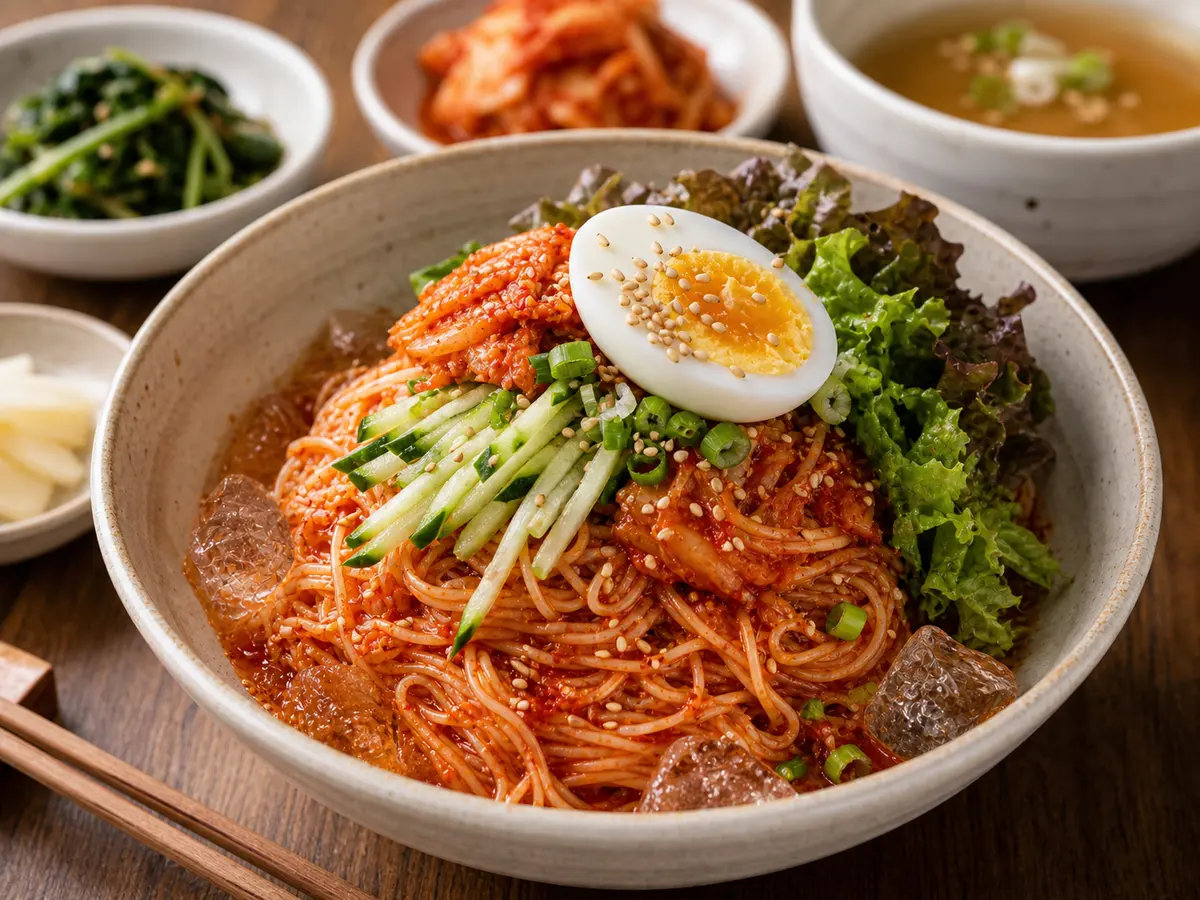
Bibim guksu is a Korean-style spicy noodle made by mixing cold, rinsed somen with red pepper paste seasoning and mixing it with sweet and sour sauce. It's easier to make than cold noodles, and the taste comes out even when you add ingredients you have at home, like kimchi or cucumbers, making it a popular summer meal. For foreigners, it is easy to understand if you explain it as “Korean spicy mixed noodles.”
If you search for Bibim Noodles in 10,000 Recipes, you will see various versions such as Super Simple Bibim Noodles, Kimchi Bibim Noodles, Young Radish Bibim Noodles, and Soy Sauce Bibim Noodles. What is important in common is to boil the somen until it is firm, rinse it thoroughly in cold water, and make a seasoning sauce with a balance of red pepper paste, vinegar, and sugar. In this article, we summarized the most basic red pepper paste mixed noodles.
Bibim Noodles Ingredients
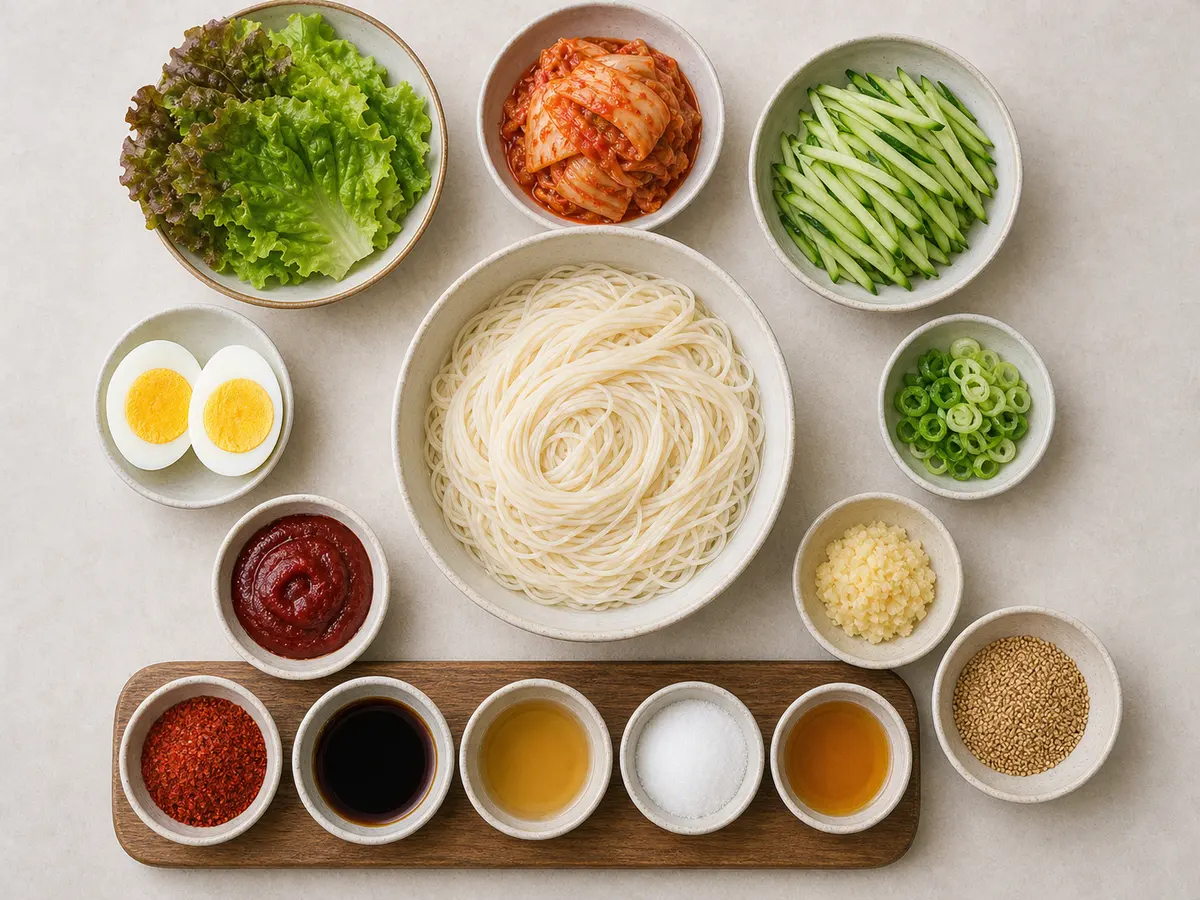
For 2 servings, prepare 200g of somen, 1/2 cup of well-ripened kimchi, 1/2 cucumber, a little lettuce or lettuce, 1 boiled egg, and sesame seeds. The seasoning is made by mixing 2 tablespoons of red pepper paste, 1 teaspoon of red pepper powder, 1 tablespoon of soy sauce, 2 tablespoons of vinegar, 1 tablespoon of sugar, 1 teaspoon of minced garlic, 1 tablespoon of sesame oil, and a little sesame salt.
When adding kimchi, add about 1 tablespoon of kimchi broth to enhance the flavor. Since there is a big difference in taste between sweet and sour, it is best to taste after mixing the seasoning and then adjust the vinegar or sugar little by little. If you don't like the spicy taste, you can leave out the red pepper powder and reduce the amount of red pepper paste.
boil somen
Boil plenty of water in a pot and spread out the somen. Lightly loosen the noodles with chopsticks to prevent them from sticking together. When the water boils, pour in about half a cup of cold water to reduce the foam. If you repeat this process once or twice, the noodles will cook evenly and the texture will become firmer. Usually 3 minutes and 30 seconds to 4 minutes is sufficient.
Immediately place the boiled somen in cold water to thoroughly wash off the starch. If you rinse it by rubbing it with your hands, the noodles will become cleaner and chewier. At the end, soak it in ice water for a moment and then drain the water. If too much water remains, the marinade may become diluted and the taste may be dull.
Order of mixing with seasoning sauce
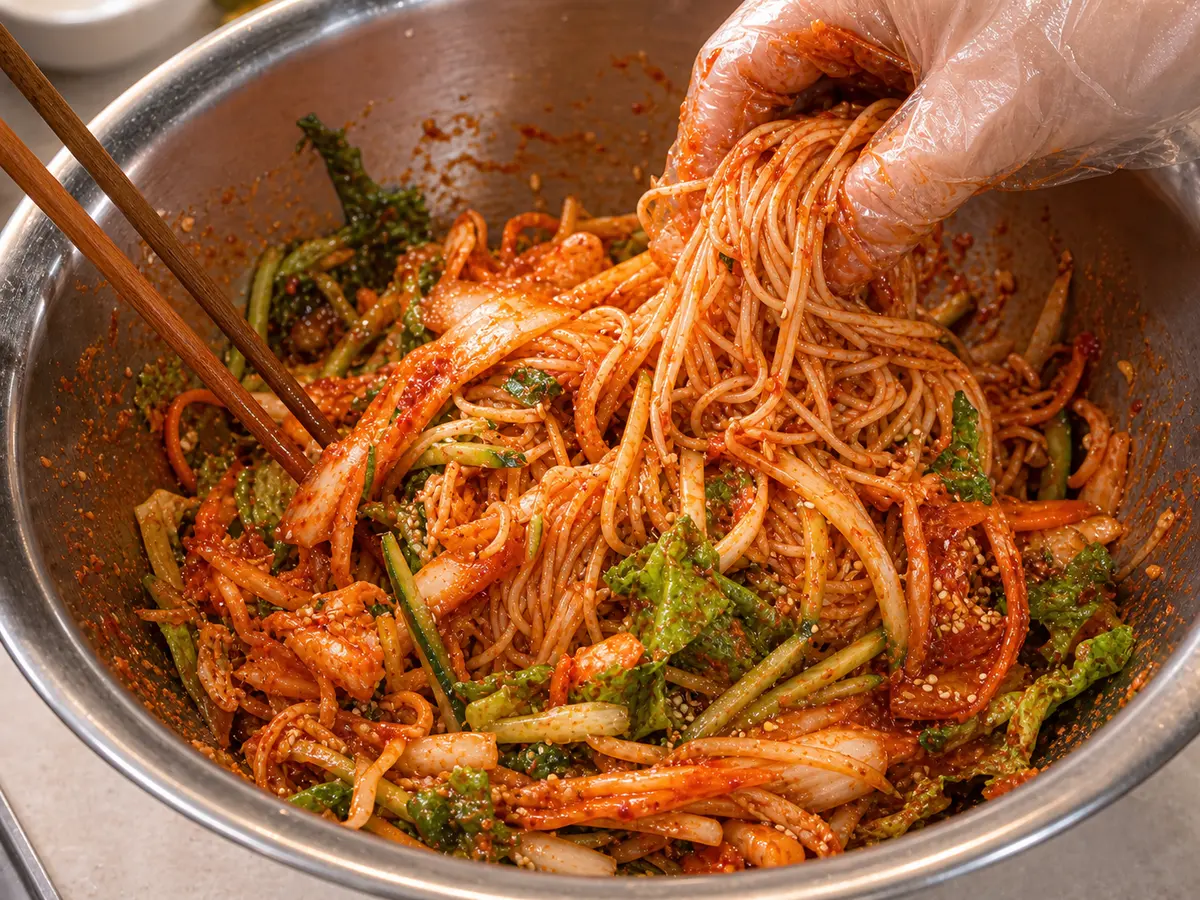
Add red pepper paste, vinegar, sugar, soy sauce, minced garlic, sesame oil, and sesame seeds to a large bowl and mix well. Kimchi can be cut into bite-size pieces and added to the marinade, or as a final garnish. Add somen to the seasoning sauce and rub it by lifting it lightly with chopsticks or your hands. If you press too hard, the noodles may break.
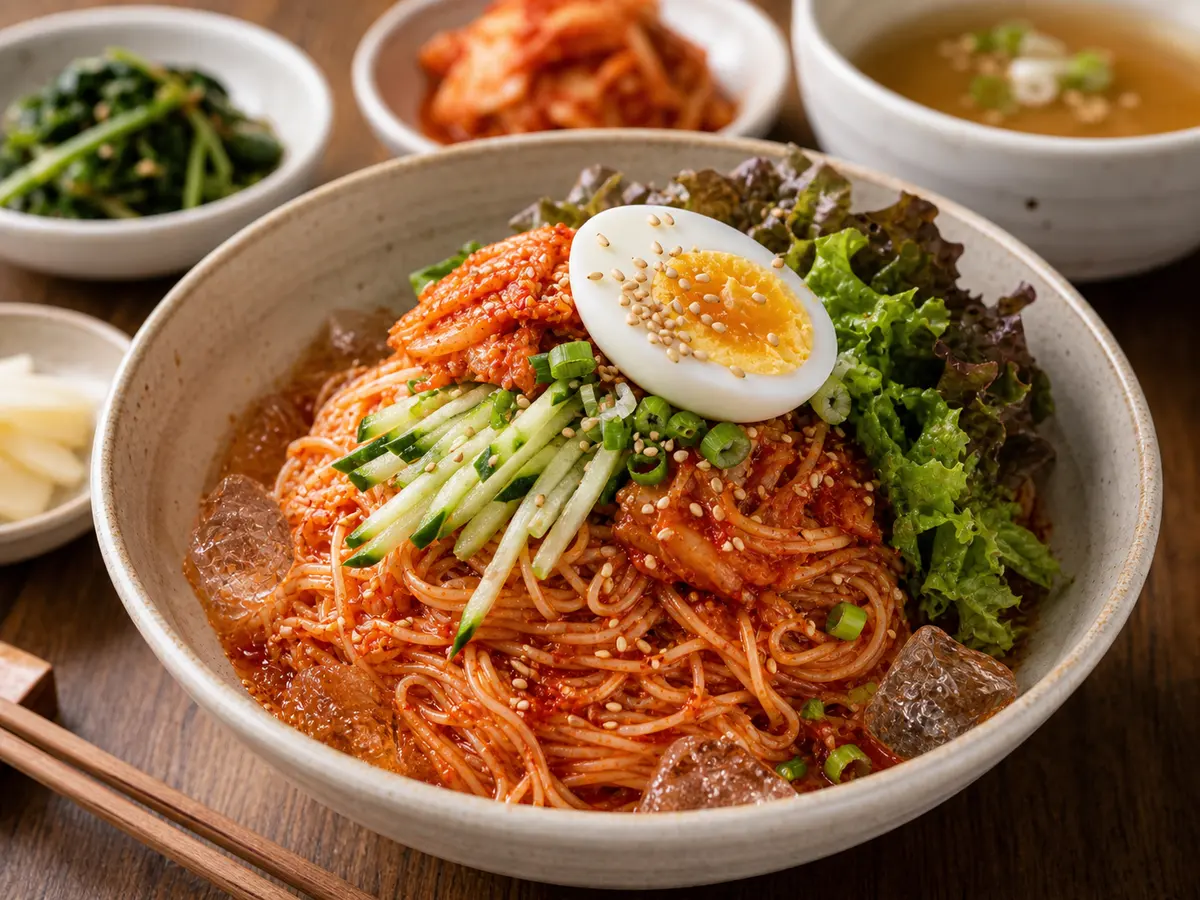
Once the noodles are evenly coated with seasoning, add cucumber slices, lettuce, kimchi, and boiled eggs. Adding a little sesame seeds and sesame oil at the end brings out the nutty flavor. If you want to eat it cooler, you can add a few ice cubes to the edge of the bowl, but if the ice melts, your liver may weaken, so it is best to eat it right away.
Tips for eating deliciously
Bibim noodles can be eaten as is, but it becomes a more filling meal when served with thinly sliced bulgogi or stir-fried pork. If you want to soften the spiciness, add a generous amount of boiled eggs or a lot of cucumber. Adding kimchi intensifies the Korean flavor, and if you don't have kimchi, you can enjoy it refreshingly with just lettuce and cucumber.
Bibim noodles have a short cooking time, so they are great for cooking at home or for a simple lunch. Sour seasoning, the chewiness of cold noodles, and crunchy vegetables come together in one bowl to showcase the charm of Korean summer noodle dishes. This is a friendly menu recommended to anyone looking for spicy noodle dishes while traveling in Korea.