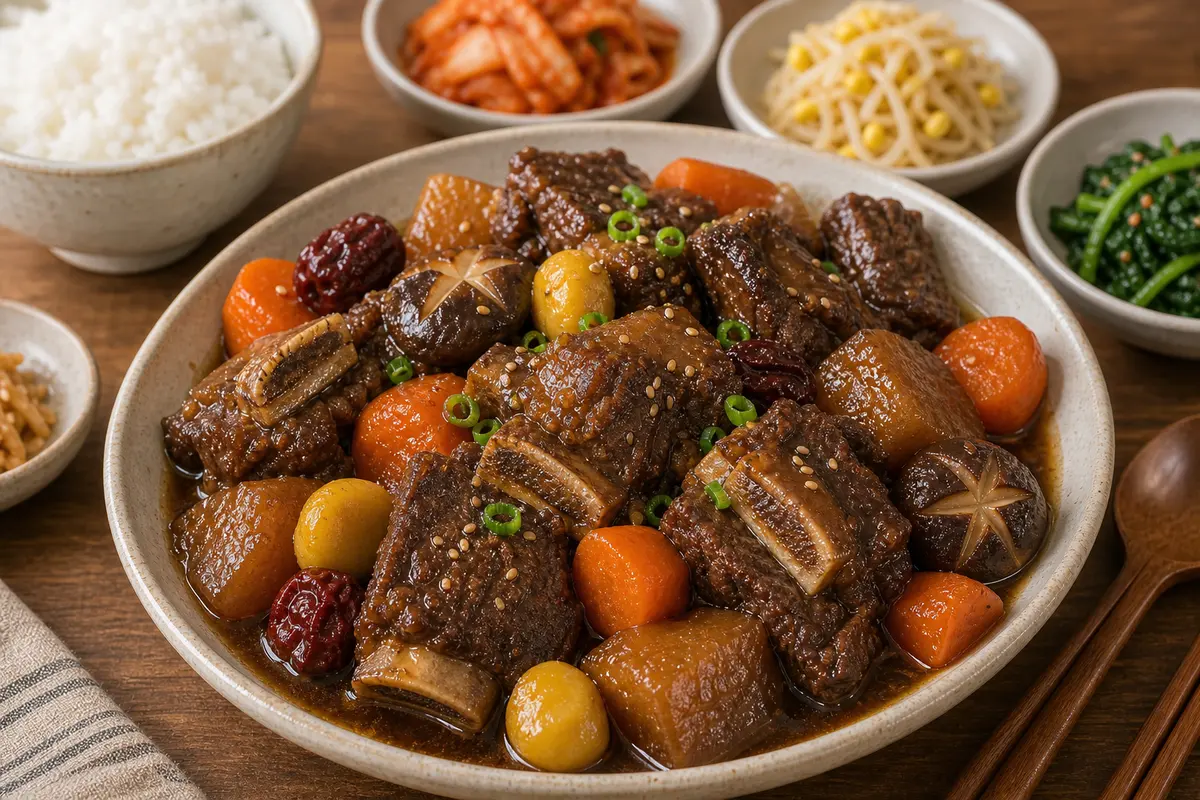
Making soft, sweet and salty beef rib stew
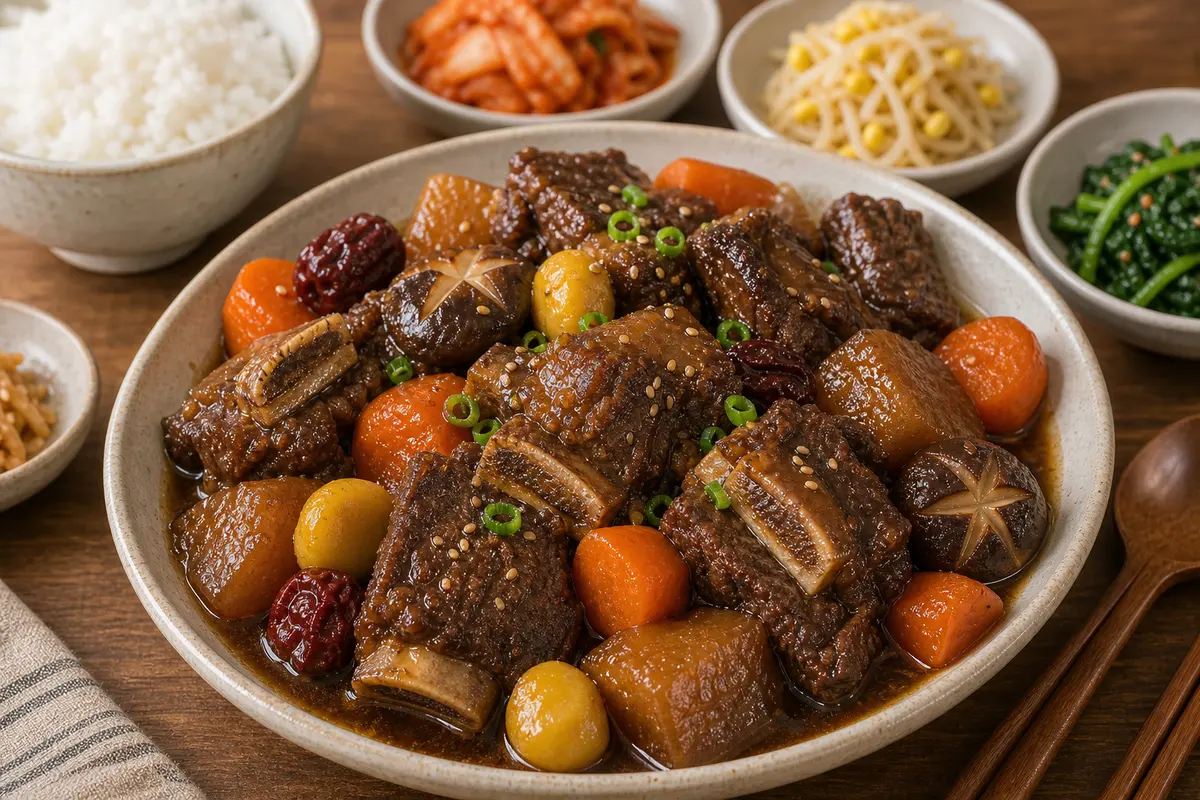
What kind of food is braised ribs?
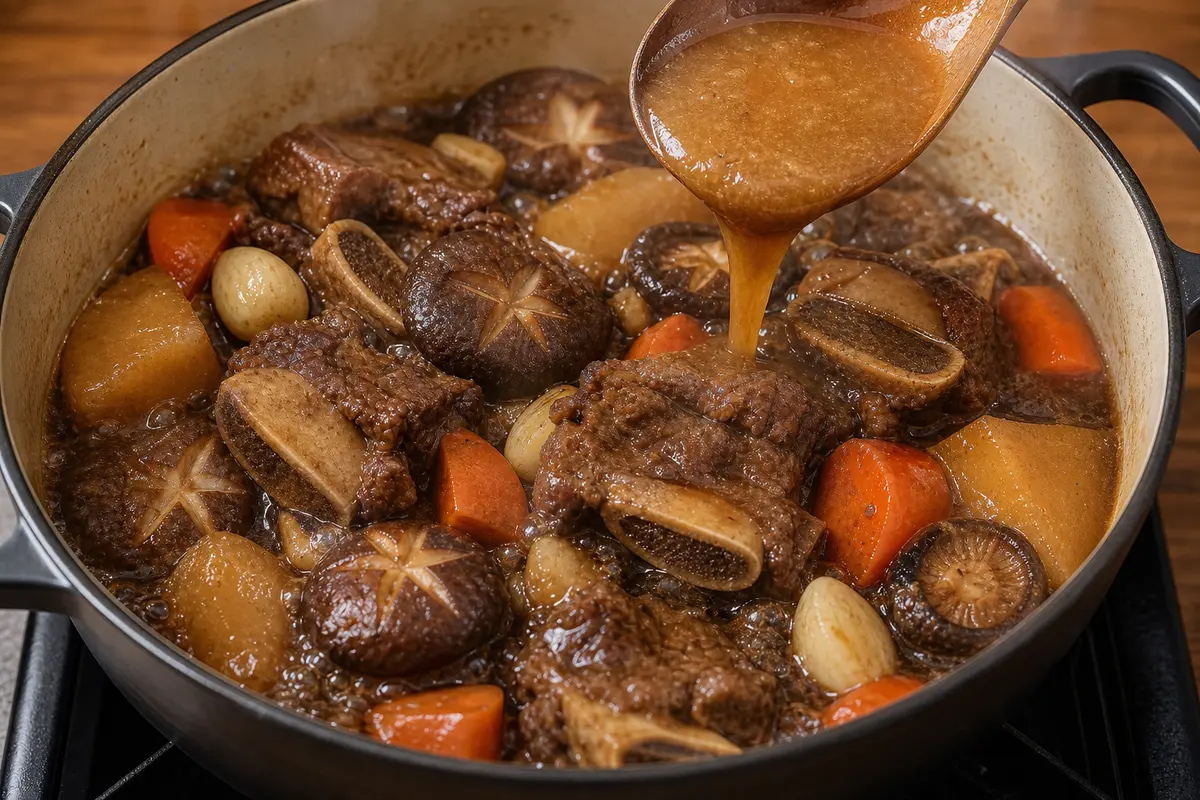
Galbijjim is a representative Korean meat dish made by simmering beef or pork ribs in soy sauce seasoning for a long time to make them tender. Because of its sweet and salty taste and shiny appearance, it is a dish often served at holidays, birthdays, and family gatherings. It's easy for foreigners to understand if you explain it as Korean-style braised ribs, and they can enjoy a deeper flavor that's different from bulgogi.
If you search for braised ribs in 10,000 Recipes, you will see a variety of recipes such as braised beef ribs, braised pork ribs, spicy braised ribs, and braised back ribs. Today, based on the most traditional style of braised beef ribs, we summarized the process of making the meat tender and seasoning it well.
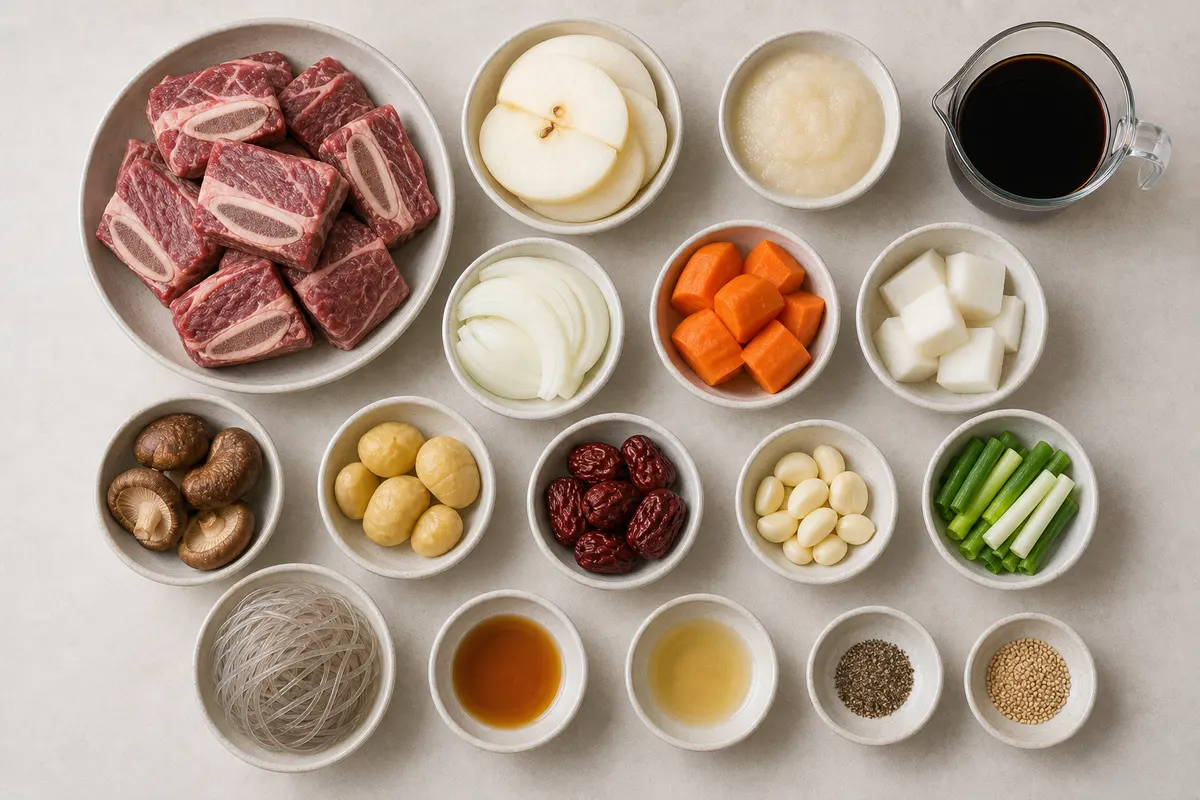
Ingredients Preparation
For 2-3 servings, prepare 800g of beef ribs, radish, carrots, shiitake mushrooms, chestnuts, jujubes, green onions, and garlic. The seasoning is made by mixing 5 tablespoons of soy sauce, pear juice or grated pear, sugar or oligosaccharide, cooking wine, minced garlic, sesame oil, and pepper. Grinding pears or onions softens the meat and adds a natural sweetness.
If you soak beef ribs in cold water for about an hour to remove the blood, the unpleasant smell will be reduced. If you are short on time, you can blanch them in boiling water and then wash them in running water to remove impurities.
Cooking and seasoning
Put the ribs, drained of blood, into a pot, pour in water, boil for about 5 minutes, then take out. At this time, if you wash off the foam and impurities around the bones, the finished rib stew soup will be much cleaner. If you pour soy sauce seasoning onto the prepared ribs and marinate them for a while, the seasoning will soak in better.
It's a good idea to start with a seasoning that isn't too salty. As the soup boils down during cooking, the flavor becomes stronger, so it is safer to adjust the seasoning at the end.
Order of gentle cooking
Put the ribs, seasoning, and water in a pot and boil over medium heat. When it boils, reduce the heat to low and simmer slowly. Once the meat is somewhat soft, add radish, carrots, mushrooms, chestnuts, and jujubes and simmer again. Vegetables may break down if added too early, so it is best to add them at an intermediate stage.
Once the soup is thick and the ribs are glossy coated, add green onions and sesame oil to finish. If the meat is soft when pierced with a chopstick, it is well cooked.
Tips for eating deliciously
Beef rib stew is good to eat with white rice, or you can add glass noodles to the remaining seasoning to make it delicious. If you like it sweeter, add a little more pear or onion, and if you want it spicy, add a little Cheongyang pepper or red pepper powder.
To foreigners, it feels familiar if you introduce it as “Korean soy sauce rib stew.” Tender meat, sweet vegetables, and deep soy sauce seasoning come together to create a dish that represents Korea's banquet and home-cooking culture at the same time.
Points to reduce failure
Braised ribs should be cooked slowly over low heat rather than quickly boiled over high heat to prevent the meat from becoming tough. If there is not enough broth during cooking, add water or stock little by little. Open the lid at the end and simmer until it becomes shiny and looks much more appetizing.
When serving to guests, rounding off the edges of carrots and radishes will prevent them from breaking and give them a neat appearance. You can enjoy another meal by mixing the remaining rib stew seasoning with rice or reheating it with rice cake or glass noodles.
Even when making it for the first time, you can fully enjoy the flavor if you simmer it slowly.