Just looking at the number 40% vodka can be scary, but in a cocktail glass, ice, mixer, and capacity all change the calculation.
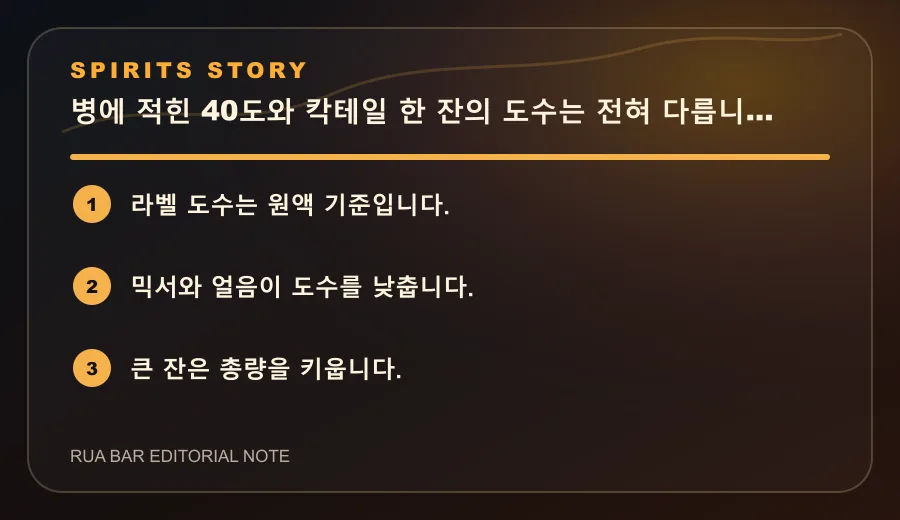
Even though the number goes down, the total amount of alcohol remains.
If you add 150ml of carbonated water to 45ml of vodka, the overall alcohol content of the glass will be lowered. However, the amount of alcohol added does not disappear. So, when it comes to cocktails, you need to look at both the alcohol content and the total amount.
new perspective
To understand spirits, you need to look at bottle strength and serving strength separately. The trend for bars to display ABV on their menus is to help guests better understand the difference.
Practical method
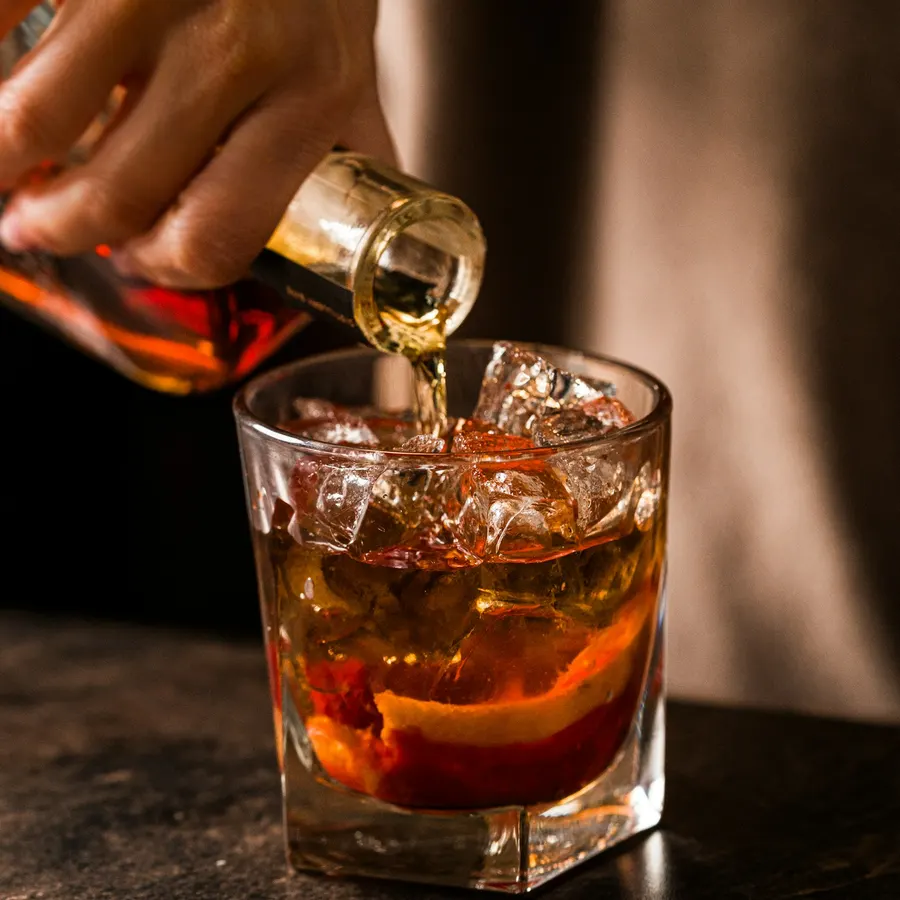
First, check whether the home bar holds 45ml of strong alcohol or only 30ml. You can really get a feel for it by looking at how much mixer and ice goes into this.
Things to watch out for
Even if the overall alcohol content of the glass is low, the total amount of alcohol increases if you drink multiple glasses. Low ABV means you can drink it slowly, not unlimitedly.
The number of drinks starts from the label, but the actual drunkenness is determined by the proportions in the glass and the speed at which you drink.