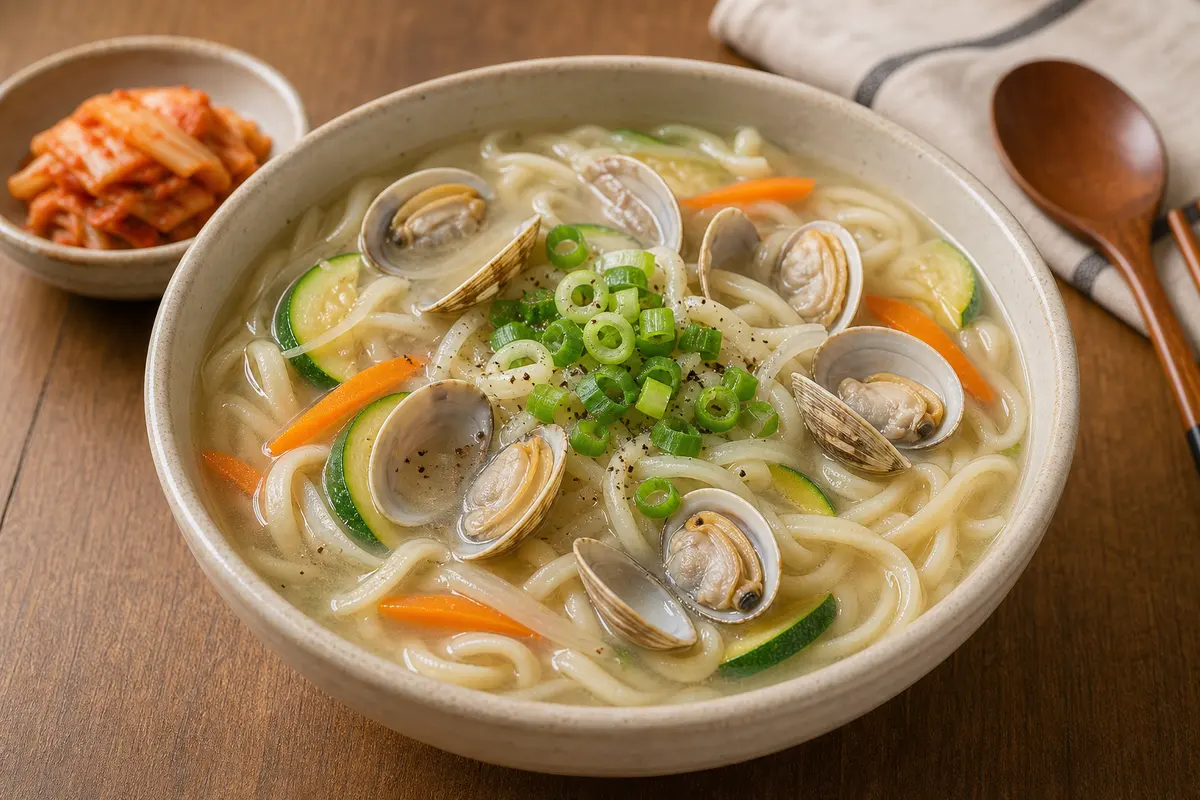
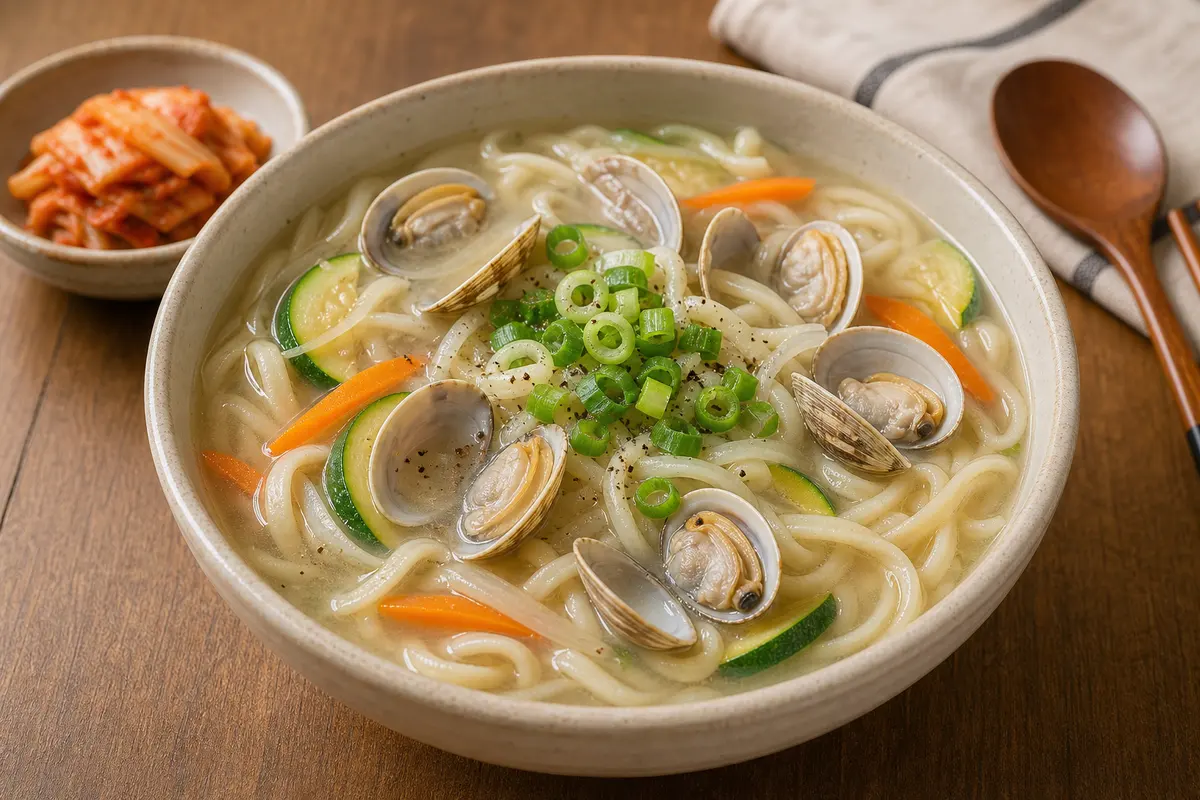
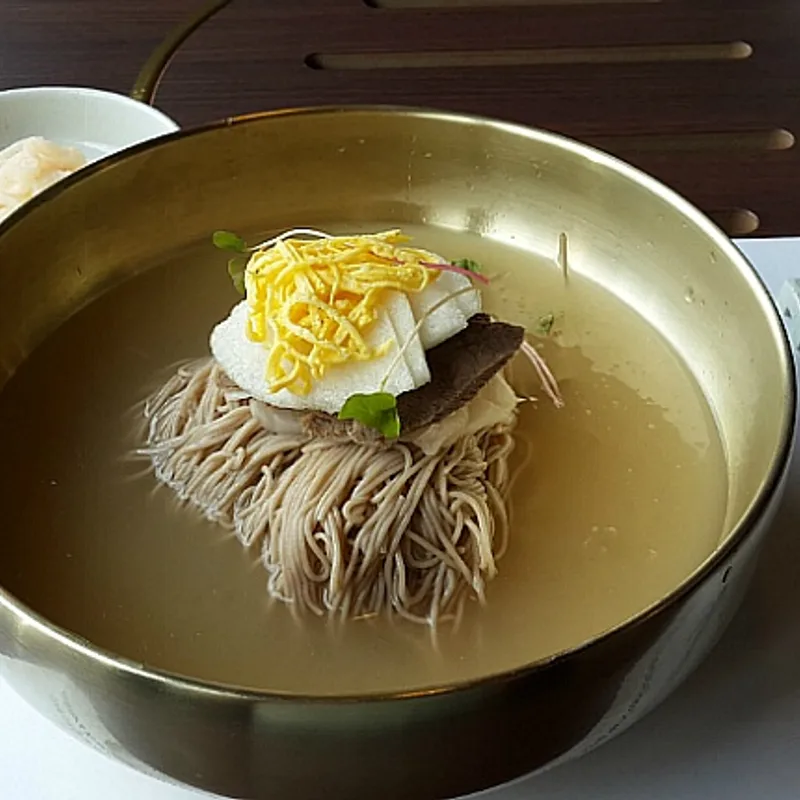
Photo of completed Korean kalguksu made with clams and vegetables
Hot and cool Korean noodles, kalguksu
Kalguksu is a representative Korean noodle dish made by slicing wheat dough with a knife and boiling thick noodles in soup. There are different ways to make it depending on the region and household, such as chicken kalguksu, anchovy kalguksu, and clam kalguksu, but one of the most familiar styles is kalguksu, which adds clams to bring out the refreshing taste of the soup. The combination of soft noodles, savory broth, and the subtle sweetness of zucchini and onions makes it perfect for a rainy day or a filling lunch menu.
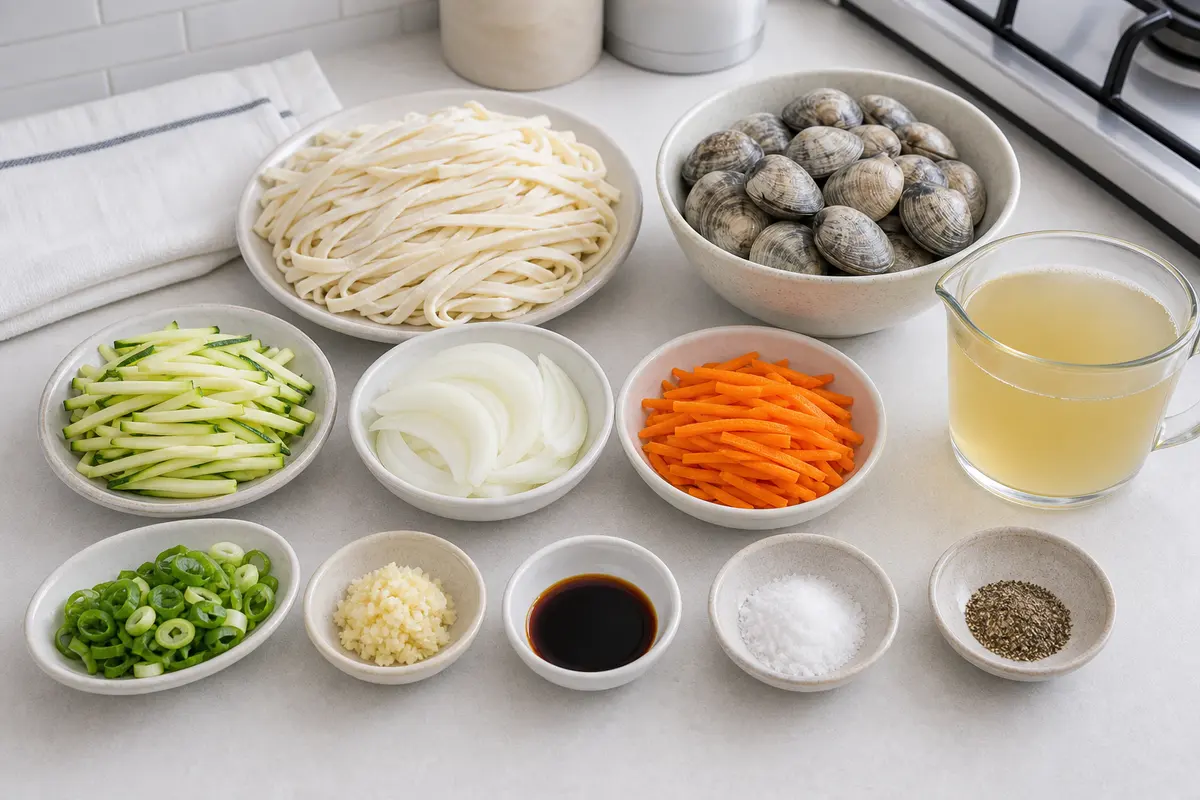
Kalguksu ingredients
For 2-3 servings, prepare 400g noodle soup, 300g clams, 1/2 zucchini, 1/2 onion, a few carrots, 1 green onion, 1 tablespoon minced garlic, 1.2L anchovy kelp broth, 1 tablespoon soy sauce, salt and pepper. For clams, peeling is important. Soak it in salt water and leave it in a dark place for 1-2 hours. If you scrub and wash the shell, the soup will be much cleaner. You can prevent the soup from becoming too thick by lightly shaking off the flour on the outside of the kalguksu noodles or quickly rinsing them in water.
Cooking order
1. Prepare broth and ingredients
If you make a basic broth using anchovies and kelp, the soup will be deep and clear. If you don't have time, you can use store-bought broth. Prepare the zucchini, onion, and carrot by thinly shredding and the green onion into small pieces. If you cut the vegetables too thick, the texture may change while the noodles are cooking, so it is best to cut them to similar thickness.
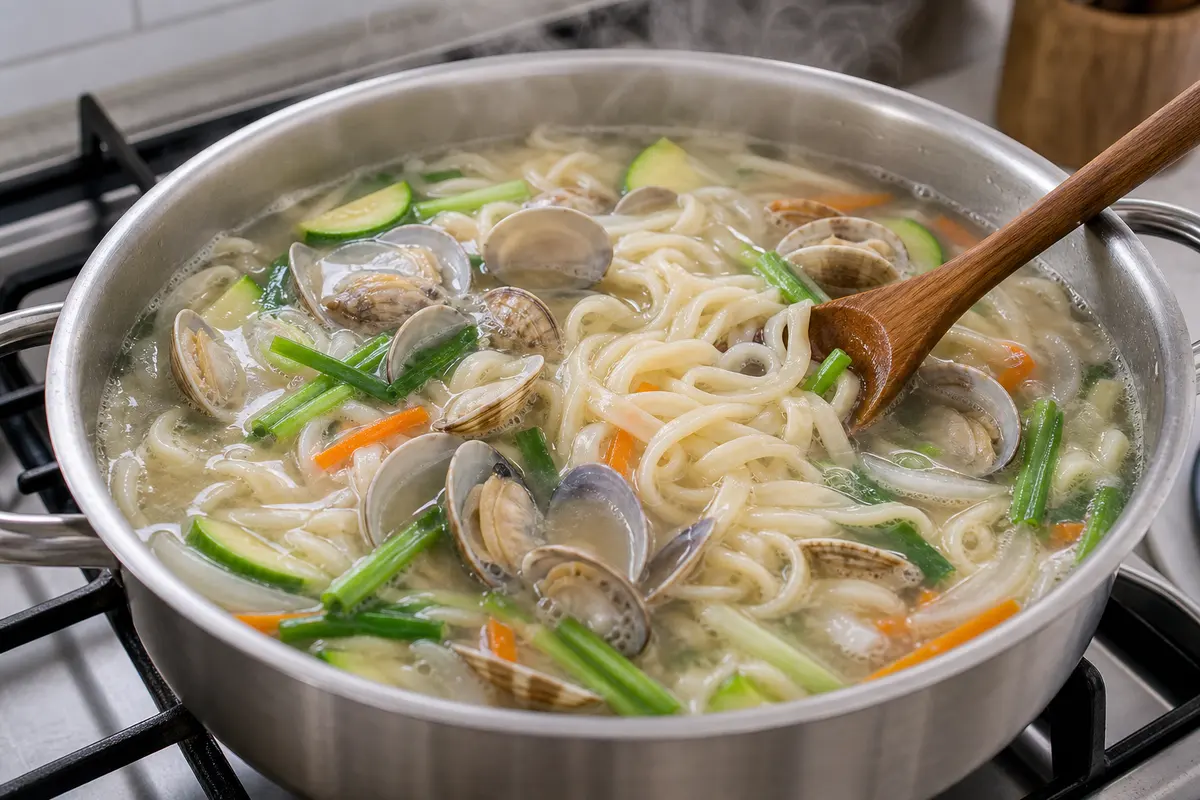
2. Add clams and vegetables and boil.
When the broth boils, add clams and minced garlic and boil. When the clams start to open their mouths, add the zucchini, onions, and carrots. If boiled for a long time, the clam meat can become tough, so it is best not to boil it for too long after the soup has simmered and the mouth has opened. Lightly skim off any foam that rises to make the soup clear.
3. Add noodles and adjust seasoning
Add the kalguksu noodles and loosen them with chopsticks to prevent them from sticking together. When the noodles cook and the soup thickens slightly, season with soy sauce and salt. Soy sauce adds richness, but if you add too much, the color may darken, so it is better to adjust the lack of saltiness with salt. Adding green onions and pepper at the end brings out the flavor.
Tips for cooking deliciously
Kalguksu may spread if you boil it for too long after adding the noodles. After checking whether the noodles are cooked gently, immediately reduce the heat or place them in a bowl. If the soup is too thick, just add a little hot broth or water. When eaten with kimchi, the light soup goes well with the spicy taste, and you can enjoy it in a more spicy style by adding a little Cheongyang pepper.
Enjoy a bowl of kalguksu at home
Kalguksu is a dish with simple ingredients, but the harmony between the broth and the noodles is important. Adding clams adds a refreshing taste of seafood, while zucchini and onions add a gentle sweetness. If you serve it in a warm bowl with kimchi, you can feel the comfortable atmosphere of Korean home cooking. If you are making it for the first time, you can make delicious kalguksu just by paying attention to how the clams are removed and how the noodles are cooked.
Storage and reheating
Kalguksu is best eaten immediately after making it because the noodles continue to absorb the broth. If you need to store leftover broth and noodles, store them separately if possible. When reheating, add a little water or broth to make the noodles less lumpy and the soup taste more natural.
Guide to cooking Korean noodles. Mulnaengmyeon, bibimnaengmyeon, kalguksu, banquet noodles, makguksu, bean noodles, ramen, black bean noodles, and jjamppong were all kindly organized from a foreigner's perspective.
Guide to Korean traditional liquor. Makgeolli, soju, fruit soju, cheongju, herbal liquor, traditional liquor and snack pairings have been carefully organized from a foreigner's perspective.
For foreigners using Korean nail salons for the first time, we have compiled information on how to make a reservation, gel nail prices, design consultation, removal costs, hygiene confirmation, allergy notice, and after-care tips.
For foreigners and travelers living in Korea, we have organized crime, fire, emergency, residence consultation, tourist interpretation, cyber fraud report numbers, disaster text messages, emergency bags, and preparations for moving to the hospital.