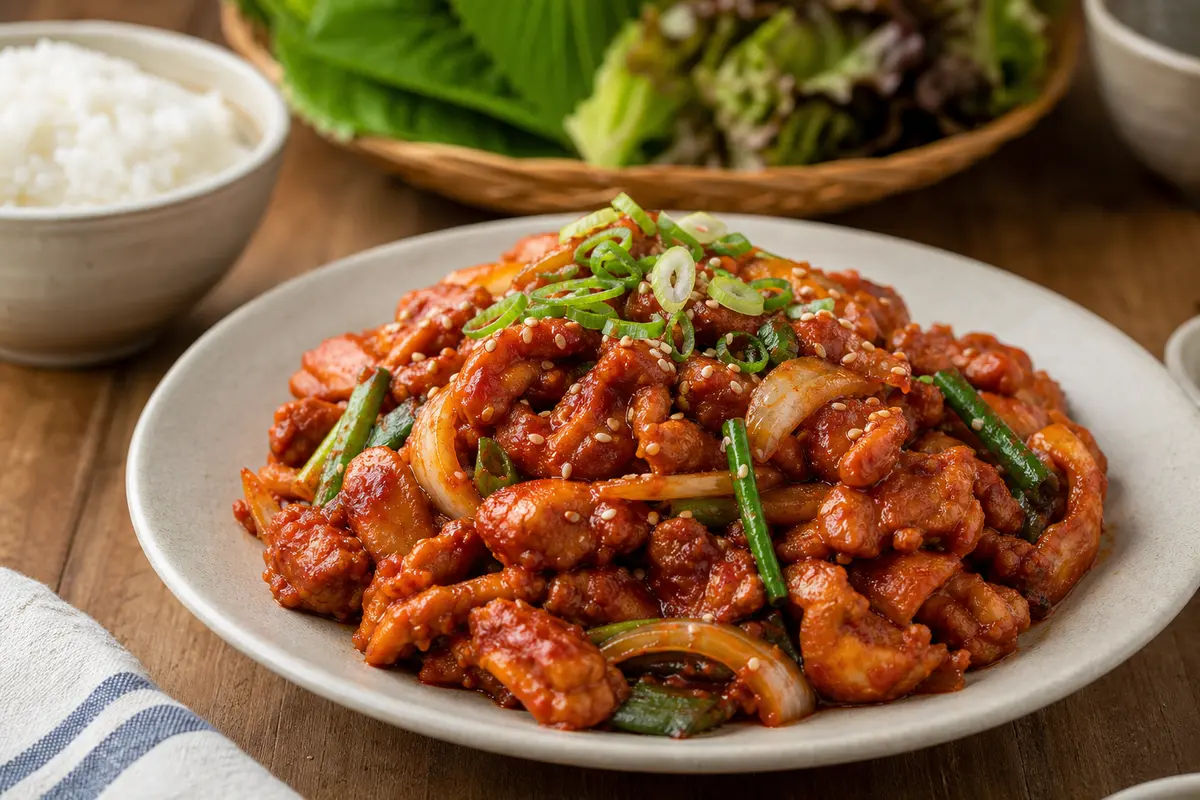
Making sweet and spicy Korean chicken bulgogi
What kind of food is chicken bulgogi?
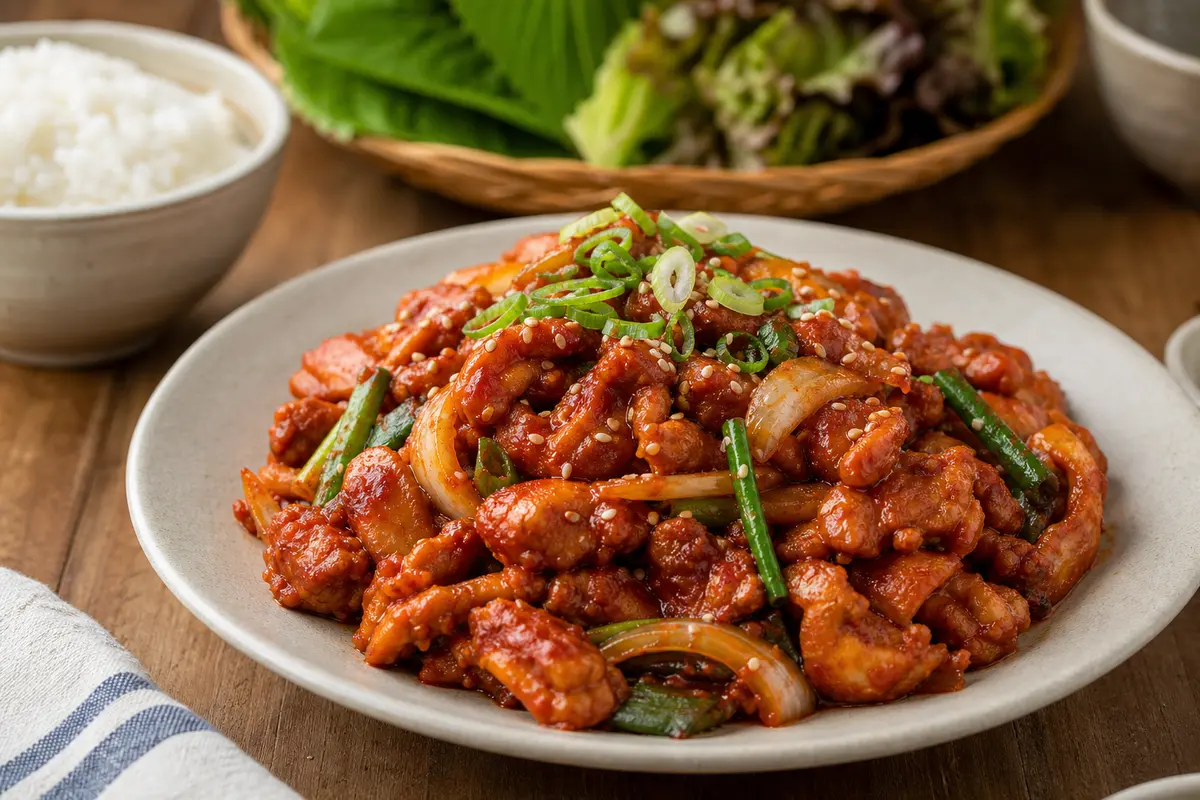
Chicken bulgogi is a Korean chicken dish made by coating chicken with red pepper paste and soy sauce and frying or grilling it. It is lighter than pork bulgogi and has less broth than chicken ribs, so it is good to eat as a side dish with rice. The spicy taste of red pepper paste, the umami of soy sauce, and the nutty flavor of garlic and sesame oil make a meal complete with just one plate.
If you look up chicken bulgogi in 10,000 recipes, you will see various ways such as chicken thigh chicken bulgogi, soy sauce chicken bulgogi, and cheese chicken bulgogi. Today, we have organized the gochujang chicken bulgogi style that is easiest to use at home, based on how to quickly prepare it with just one pan.
Ingredients Preparation
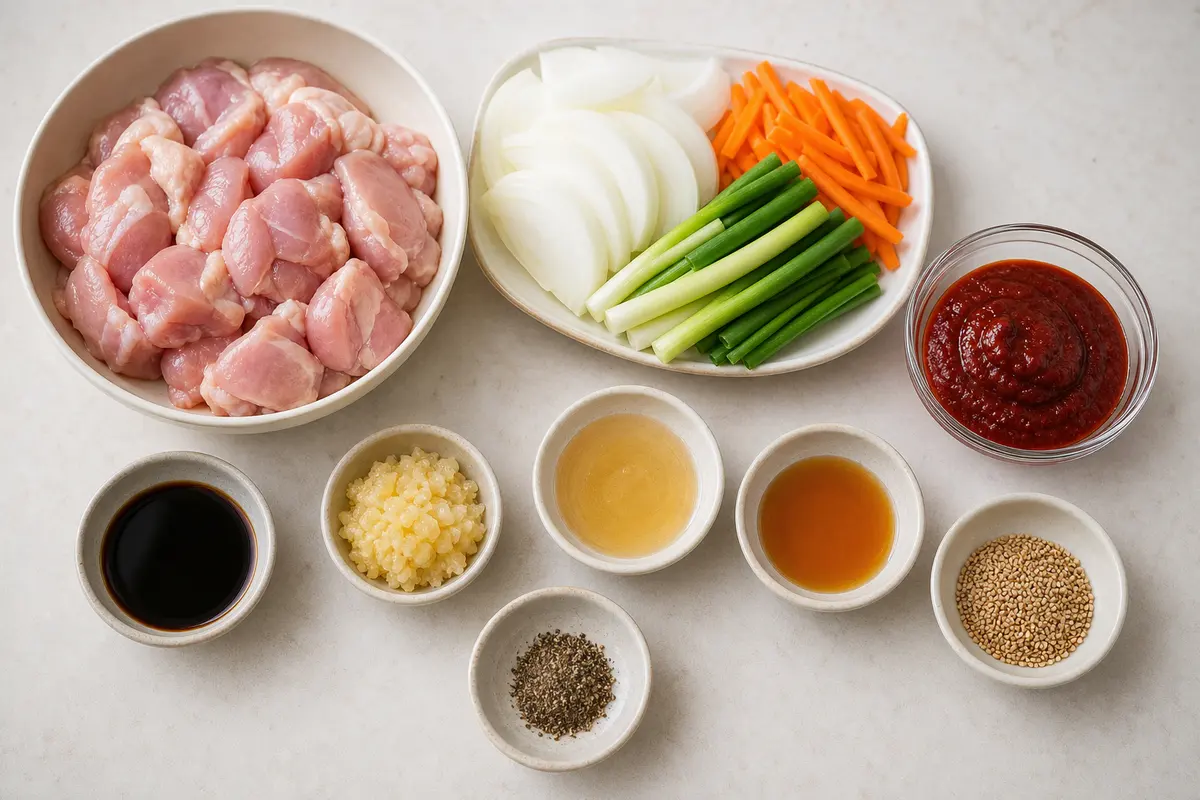
For 2-3 servings, prepare 500g of chicken thigh or meat, 1/2 onion, 1 green onion, and a few carrots. You can use chicken breast, but if you want a soft and moist texture, chicken thighs work better. If vegetables are cut too thinly, they will quickly become soft, so cut them to a thickness that is easy to pick up in one bite.
For the seasoning, mix 2 tablespoons red pepper paste, 2 tablespoons dark soy sauce, 1 tablespoon cooking wine, 1 tablespoon sugar or oligosaccharide, 1 tablespoon minced garlic, 1 tablespoon red pepper powder, 1 teaspoon sesame oil, and a little pepper powder. Sprinkling sesame seeds at the end brings out the nutty flavor.
Cooking order
First, remove the moisture from the outside of the chicken by lightly pressing it with a paper towel. If there is too much moisture, the seasoning will become diluted and a lot of juice may form when stir-frying. Add the seasoning sauce to the prepared chicken, mix well, and marinate for about 20 minutes to allow the flavor to seep into the inside.
Put a little cooking oil in a heated pan and add the seasoned chicken first. Cook the outside over medium-high heat, then add onions and carrots and stir-fry. At this time, rather than stirring frequently from the beginning, if you wait until one side of the chicken is slightly cooked, it will have a savory taste that is close to burning.
When the chicken is almost cooked, add the green onions and stir-fry until the seasoning thickens. If the seasoning sticks to the bottom of the pan too quickly, add 2 to 3 tablespoons of water to adjust the consistency. After checking that the chicken is completely cooked to the center, turn off the heat and finish with sesame oil and sesame seeds.
Tips for making it delicious
The key to making chicken bulgogi is to coat it with plenty of seasoning, but to fry it so that almost no broth remains at the end. Since moisture comes out of the vegetables, if the heat is too low, it will end up like a stew, and if the heat is too high, only the seasoning will burn. It is most appetizing if you stir-fry it over medium-high heat and then turn it up to high heat for the last 1-2 minutes to make it shiny.
If you want to reduce the spiciness, just remove the red pepper powder and increase the oligosaccharide a little. On the other hand, if you want a spicy snack style, you can add finely chopped Cheongyang peppers. The completed chicken bulgogi goes well with warm rice as a rice bowl, or wrapped in lettuce and perilla leaves and enjoyed as ssambap.
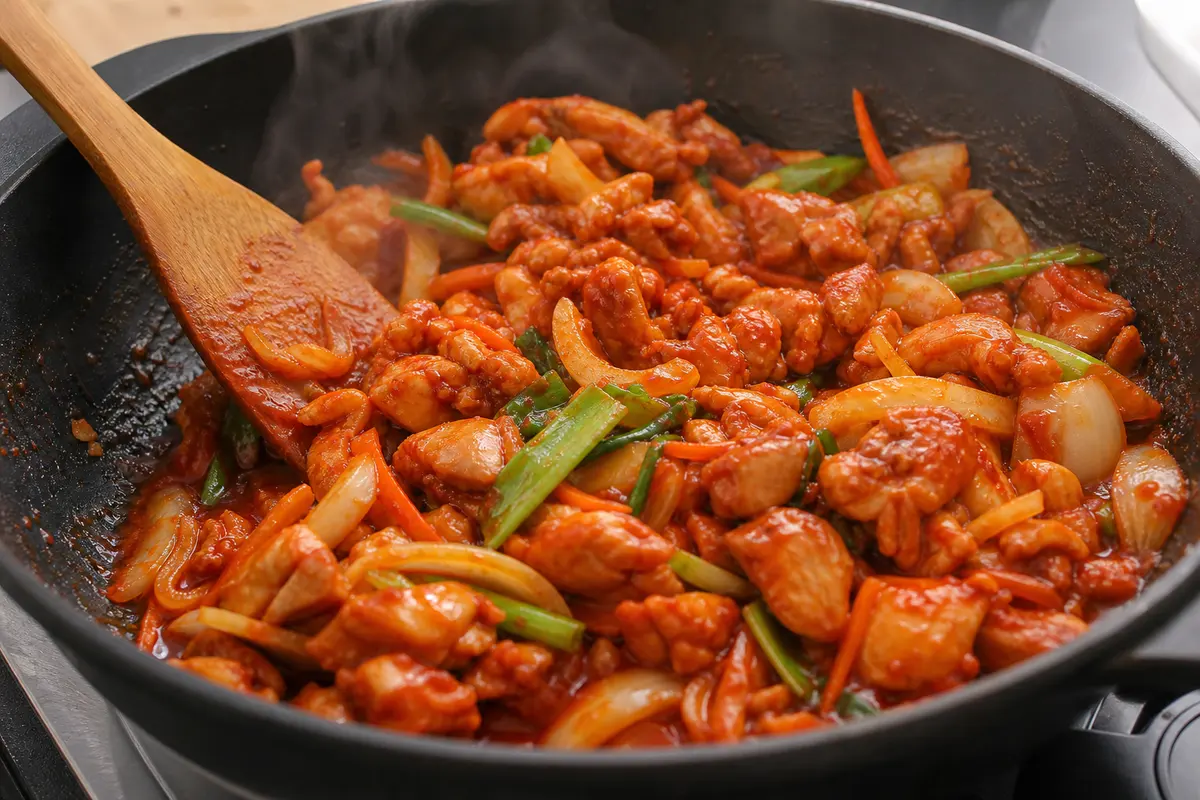
How to enjoy it after completion
The finished chicken bulgogi looks appetizing when you see the glossy red seasoning, green onions, and onions. Put it on a plate and top it with sesame seeds and finely chopped green onions to bring out the color, and if you serve it with rice, it becomes a filling meal. Leftover chicken bulgogi is also delicious when cut into small pieces and used as an ingredient for fried rice.
When storing, let it cool completely and refrigerate it in an airtight container. When reheating it the next day, add a spoon or two of water and stir-fry to soften the seasoning again. If you have a little bit left, you can finish it off with chicken bulgogi fried rice by adding seaweed powder and rice.